Gender and climate change
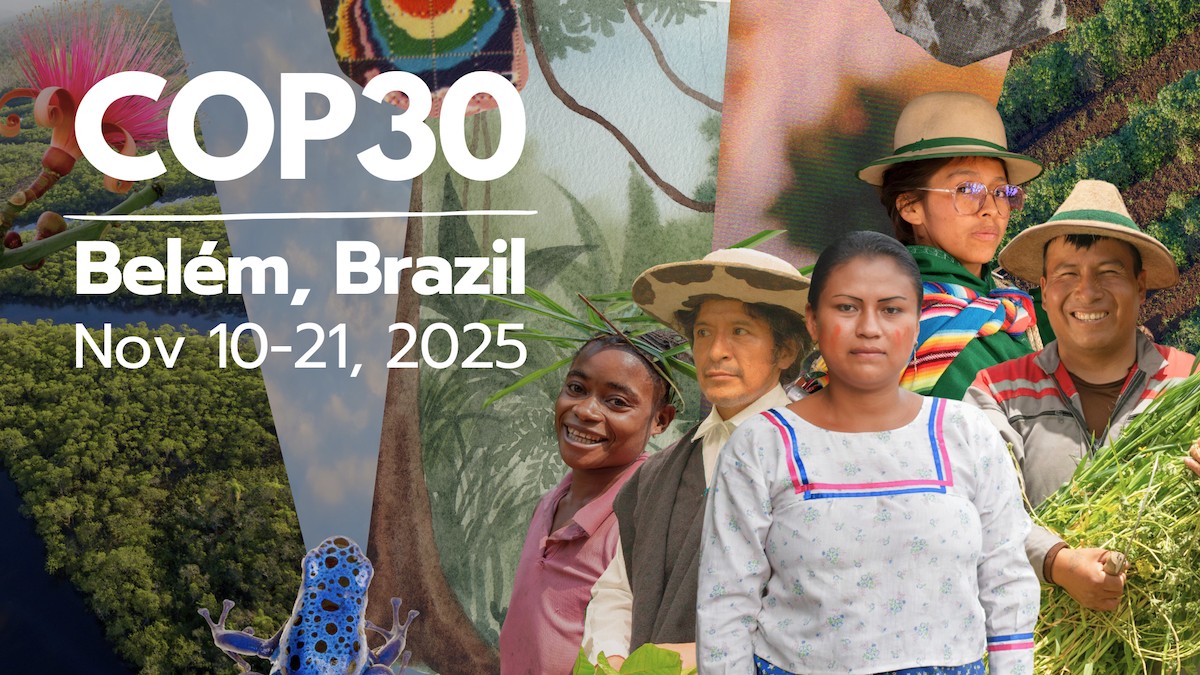
In November 2025, Belém, Brazil hosted COP30—the 30th annual United Nations Climate Change Conference. “COP” (Conference of the Parties) refers to all states that are parties to a legally binding international treaty on climate change. Each year at COP, the governments come together to review the implementation of the Convention and take decisions necessary to promote the effective implementation of the Convention.
This particular conference was described as an “Implementation COP,” meaning it focused less on new promises and more on putting existing commitments into action. It also served as a ten-year check-in on the Paris Agreement, the global climate pact adopted in 2015. Media attention centered on familiar themes: moving away from fossil fuels, protecting the Amazon rainforest, and renewed efforts to stop deforestation. Indigenous leaders were also highly visible, reminding the world that climate protection and human rights are deeply connected.
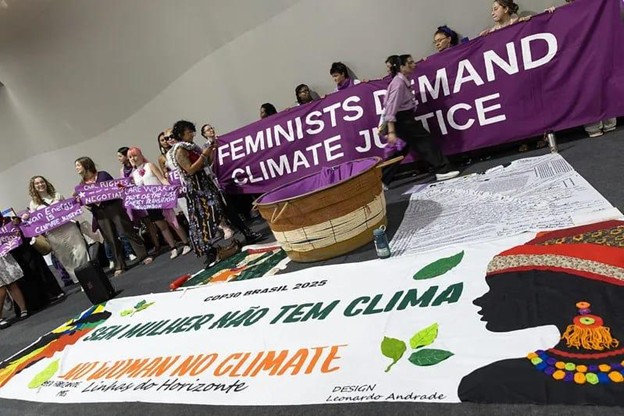
Yet one of COP30’s most significant achievements received far less attention—especially outside policy circles. After nearly 24 years of advocacy, governments adopted the Belém Gender Action Plan (BGAP), a nine-year framework (2026–2034) that places women, girls, and gender equality at the heart of global climate action.
What Is the Belém Gender Action Plan?
The Belém Gender Action Plan operates within the UN’s main climate body, the United Nations Framework Convention on Climate Change (UNFCCC). In practical terms, it is a roadmap for ensuring that climate policies reflect the real lives and leadership of women and girls.
This matters because climate change does not affect everyone equally. Women—especially those living in poverty, rural or remote areas, or communities facing long-standing discrimination—often experience the worst impacts first. These include food and water insecurity, displacement, loss of livelihoods, and increased exposure to violence.
The BGAP sets out concrete actions across five areas: capacity-building skills and knowledge, ensuring women’s participation in decision-making, improving coordination across institutions, implementing gender-responsive climate policies, and tracking progress through monitoring and reporting. A mid-term review in 2029 is built in, helping ensure accountability rather than empty commitments.
A Breakthrough in Who Is Recognized
For the first time in a UN climate agreement, the Belém Gender Action Plan explicitly names women who have historically been overlooked in global policy spaces. These include women and girls of African descent; Indigenous women; women environmental defenders; migrant women; women smallholder farmers; women from rural and remote communities; and women with disabilities.
Being named matters. When groups are visible in policy, their needs and knowledge can no longer be dismissed—and governments can be held accountable for responding to them.
Protecting Women Who Defend the Earth
One of the most important advances in the BGAP is its recognition of environmental women defenders—women who protect land, forests, water, and biodiversity, often at enormous personal risk. Around the world, these women face threats, harassment, criminalization, and violence for standing up to powerful interests.
The plan acknowledges these dangers and proposes practical measures, including safe and violence-free spaces for women participating in climate negotiations; leadership training to strengthen visibility and influence; guidelines for protection and monitoring when defenders are threatened; and dedicated funding to support the participation of Indigenous, rural, and Afro-descendant women at local, national, and international levels.
While this recognition is historic, the plan also makes clear that much deeper transformation is still needed to achieve climate justice and real protection.
How the Plan Fits—and Where It Falls Short
The Belém Gender Action Plan aligns with major international frameworks such as the Paris Agreement and the UN’s 2030 Agenda for Sustainable Development, particularly goals related to gender equality, climate action, peace and justice, and protecting ecosystems.
Importantly, the BGAP goes beyond the Paris Agreement by addressing the safety of environmental defenders—an issue largely absent from earlier climate agreements. However, it remains a programmatic plan rather than a legally binding one. Unlike regional agreements such as the Escazú Agreement in Latin America, which guarantees legal protections and access to justice for environmental defenders, the BGAP depends on political will rather than enforceable law.
This makes implementation crucial. Without adequate funding, clear accountability, and strong monitoring, even the most promising language risks becoming symbolic.
 |
 |
Why This Moment Matters
Climate justice advocates, including the UNFCCC Women and Gender Constituency, have welcomed the progress made in Belém—but with caution. They warn that current efforts still fall short of what frontline communities are demanding, from forests and islands to urban neighborhoods across the Global South.
Incremental progress is no longer enough. The climate crisis calls for deep, just transformations grounded in human rights.
The Belém Gender Action Plan represents a historic step toward making environmental women defenders visible and valued within global climate policy. Whether it leads to real change will depend on sustained political commitment, access to finance and technology, and the leadership of women and frontline communities themselves.
What is already clear is this: women are not waiting. They are leading. And the future of climate action depends on whether the world is finally ready to follow.